logo
> 製品 > 電気分解のブリキ板 >
MR-Grade Electrolytic Tinplate Sheets For Food Can Manufacturing

MR-Grade Electrolytic Tinplate Sheets For Food Can Manufacturing

MR-grade electrolytic tinplate sheets

food can manufacturing tinplate sheets

electrolytic tin plate for cans

起源の場所:

中国

ブランド名:

QuanJiang

証明:

MILL CERTIFICATE

モデル番号:

ブリキシート

私達に連絡しなさい

引用を要求しなさい
プロダクト細部
硬度:
T1 T2 T3 T4 T5 DR7 DR8 DR9
機械的性質:
高強度と柔らかさ
製品:
電気錫メッキ鋼板
長さ:
610mm-1100mmまたはコイルとして
表面:
ブライト、ストーン、シルバー、マット
厚さ:
0.15-0.47mm
錫コーティング:
1.1/1.1、2.0/2.0、2.8/2.8、5.6/5.6 などまたは顧客対応
応用:
エアゾール缶、イワシ缶、ツナ缶、野菜缶、フルーツ缶、ペイント缶、肉缶
支払及び船積みの言葉
最小注文数量
25トン
価格
Negotiated
パッケージの詳細
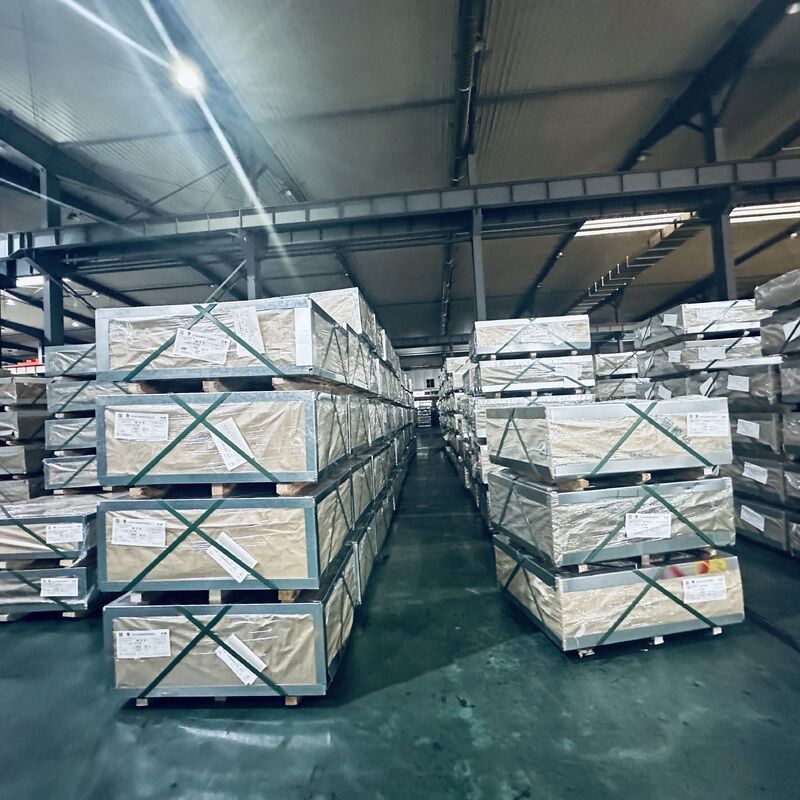
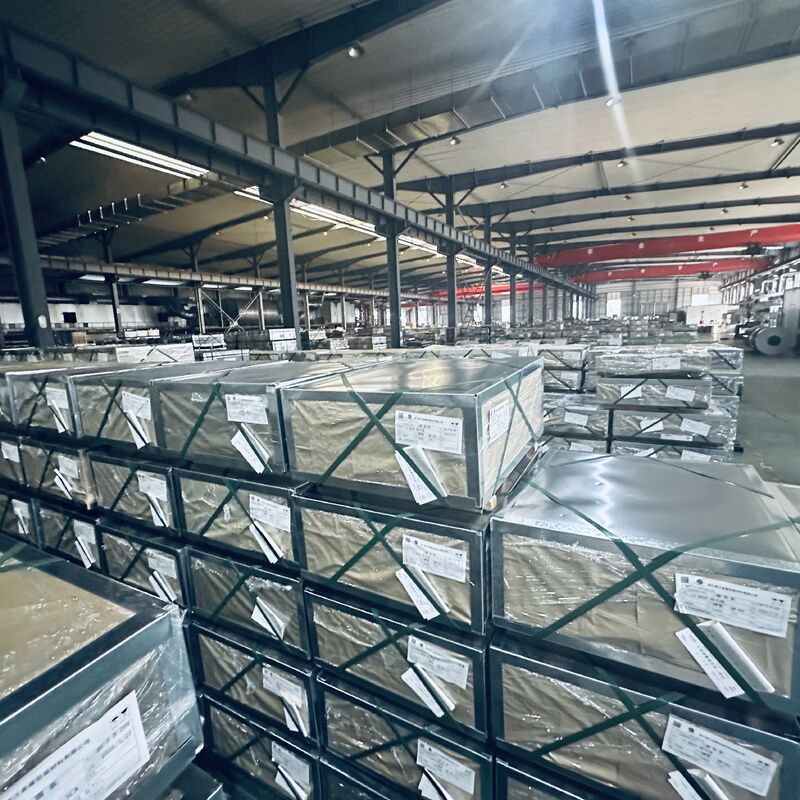
anti-rust paper+metal cover+metalのconrner protected+木パレット
受渡し時間
交渉
支払条件
T/T
供給の能力
50000mt/月
製品の説明
Product Introduction

In modern automated packaging lines, the chemical purity and surface architecture of a steel substrate dictate the operational yield of the final container. Our MR-grade Tinplate sheet and coil series are engineered precisely to satisfy these rigorous technical conditions. MR (Metallurgical Residual) steel chemistry represents the global baseline for container production, featuring exceptionally low trace element levels to guarantee maximum structural reliability. Through a sophisticated cold-rolling process followed by continuous electrolytic tin deposition, low-carbon steel is transformed into a high-defense packaging material. This structured composition provides a multi-layered shield that isolates raw steel from aggressive internal formulations and humid environmental atmospheres.

Optimized primarily to serve as a high-speed food can material, this specific grade is processed with a specialized micro-textured matte finish. Unlike highly reflective surfaces, this dull, texturized surface profile is created by transferring a controlled pattern from shot-blasted work rolls during the skin-pass cold-rolling stage. This unique surface treatment significantly improves oil retention, eliminates sheet-to-sheet friction during automated feeding, and provides an ideal surface structure for lacquer adhesion. Whether utilized for high-acid food preserves, chemical aerosol containers, deep-drawn three-piece cans, or heavy-duty twist-off lids, this material ensures zero chemical migration, absolute shelf stability, and total resistance to environmental degradation over extended storage lifecycles.

Core Product Features & Surface Architecture

The field performance of our MR-grade matte-finished steel is driven by precise metallurgical standards and advanced surface chemistry:

  • MR-Grade Chemical Purity: The base steel features minimal residual impurities (such as copper, nickel, or chromium). This exact chemical control delivers superior corrosion resistance against internal product corrosion, making it highly safe for direct food contact.

  • Micro-Textured Matte Finish: The non-reflective surface provides an optimal texture that captures and holds protective lacquers and lithographic inks. This eliminates the risk of lacquer crawling, pinholes, or surface delamination during high-temperature baking cycles.

  • Balanced Ductility and Stamping Yields: Engineered with controlled directional grain alignment, the sheets handle deep-drawing, expanding, and sharp mechanical curling without suffering localized necking, orange-peel defects, or structural fractures.

  • Multi-Stage Chemical Passivation: Post-tinning, the material undergoes an inorganic chromium passivation treatment. This creates an inert barrier film that blocks moisture and ambient oxygen, preventing yellow-stain oxidation and ambient rust formation during long-distance maritime transit.

Strategic Core Advantages for Manufacturers

Choosing our MR-grade Tinplate sheet products provides distinct operational advantages to high-speed can-making operations. The primary advantage stems from the material's excellent shape control and flatness consistency. Every batch undergoes advanced computer-controlled tension-leveling, ensuring perfectly flat sheets with zero edge-wave or center-buckle. This shape consistency prevents double-sheet feeding errors on automated equipment, minimizes line stoppages, and reduces tool wear on high-speed stamping presses and scroll shears.

Furthermore, the micro-textured matte surface provides outstanding handling protection. Standard bright finishes are highly vulnerable to surface scratches and scuffing during high-speed magnetic conveying and mechanical stacking. The matte texture disperses physical contact stress, making the sheets highly scratch-resistant and preserving the neat appearance of the metal throughout the entire printing and forming sequence. When used as a food can material, the high-purity tin layer serves as an active sacrificial anode, meaning that even if the internal lacquer layer is scratched during manufacturing, the tin will corrode before the steel core, preventing catastrophic container leaks or product contamination.

Technical Specifications Matrix
Technical Parameter Specification Range & Industrial Standards
Material Base Form Electrolytic Tinplate (SPTE) Sheet & Coil Forms
Steel Chemistry Grade MR Grade (Low residual metallurgical trace elements)
Surface Finish Style Matte Finish (Shot-blasted roll texture, non-reflective)
Material Thickness 0.15 mm – 0.46 mm
Available Sheet Width 600 mm – 1050 mm
Cut Sheet Length 610 mm – 1200 mm
Tin Coating Mass (g/m²) 1.1/1.1, 2.2/2.2, 2.8/2.8, 5.6/5.6, 2.8/5.6
Mechanical Temper Class T1, T2, T3, T4, T5 (Batch Annealed / Continuously Annealed)
Applicable Standards ISO 11950:1995, JIS G3303, ASTM A623 Compliance

MR-Grade Electrolytic Tinplate Sheets For Food Can Manufacturing 0

MR-Grade Electrolytic Tinplate Sheets For Food Can Manufacturing 1

Frequently Asked Questions (FAQ)

Q1: What makes MR-grade steel chemistry uniquely suited for manufacturing food containers?
A1: MR (Metallurgical Residual) grade steel is specifically formulated with very low levels of residual impurities like copper and nickel. This chemical purity provides excellent resistance to internal corrosion from organic food acids and brines. It ensures that when used as a food can material, the steel core will not react with the contents, preventing shelf-life failures and preserving original product flavors.

Q2: What are the main processing benefits of selecting a matte finish over a bright finish?
A2: A matte finish features a micro-textured surface that greatly improves lacquer and ink adhesion, completely eliminating surface defects like fish-eyes or ink crawling. Additionally, the texturized surface provides a lower coefficient of friction during mechanical feeding, which prevents sheet sticking, reduces scuffing on automated production lines, and protects tool surfaces from premature wear.

Q3: Can these matte-finished sheets handle high-temperature retort sterilization processes?
A3: Yes, absolutely. The combination of MR-grade steel, clean tin plating, and a passivated matte surface provides exceptional thermal stability. When coated with food-safe internal lacquers (such as organosols or epoxy-phenolics), the textured surface ensures the organic coating stays tightly bonded, preventing blistering, peeling, or cracking during commercial steam sterilization (reaching temperatures above 121°C).

Q4: How do you protect these sheets from transit rust and physical damage during international shipping?
A4: Every sheet pack is carefully wrapped with moisture-blocking vapor-corrosion-inhibitor (VCI) anti-rust paper and enclosed inside a complete structural steel outer shell. The entire bundle is fitted with rigid steel corner guards, secured with high-tensile steel bands, and locked tightly onto reinforced, export-compliant fumigated wooden pallets to ensure the material arrives completely dry and scratch-free.

私達にあなたの照会を直接送りなさい

プライバシー規約 中国の良質 電気分解のブリキ板 製造者。版権の© 2020-2026 electrolytic-tinplate.com . 複製権所有。